BERKELEY, CA — Berkeley health officials issued a public safety warning Friday following the discovery of leptospirosis, a dangerous bacterial disease, in several rats and two pet dogs.
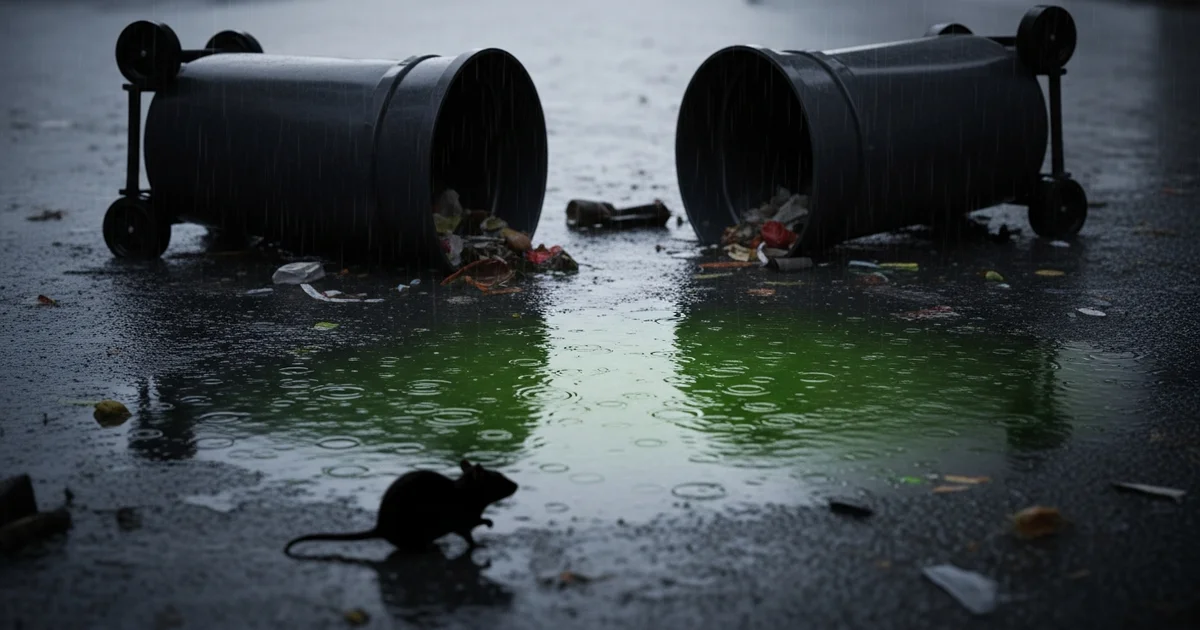
Health officials confirmed the infection at an encampment along the Harrison Street area near Codornices Creek. In response, city administrators labeled the site a high-risk "red" zone because poor drainage, standing water, and trash allow the bacteria to thrive. To prevent the disease from spreading, officials are urging residents to move at least one-third of a mile away so that crews can deep clean the area and get rid of the rats.
How the Disease Spreads
Leptospirosis spreads through the urine and other body fluids of infected animals. According to health officials, the disease can be fatal to both humans and animals if left untreated. Humans can catch the infection when contaminated water or soil gets into the eyes, nose, or mouth, or comes into contact with broken skin.
Human symptoms usually begin with fever and muscle aches. However, the infection can lead to serious problems like organ failure or meningitis—a condition that causes dangerous swelling around the brain and spinal cord.
Medical experts, including Dr. Monica Gandhi, say the infection does not spread from person to person. It can, however, take up to 30 days for symptoms to appear after a person is first exposed. As of early January, there were no verified human cases of leptospirosis in Berkeley, according to Dr. Noemi Doohan.
Environmental Risks and Pet Safety
Recent weather in the San Francisco Bay Area has contributed to the risk. Dr. Peter Chin-Hong, an infectious disease expert, noted that a combination of warmth followed by rain has created ideal conditions for the bacteria to grow and spread.
To protect pets, health officials recommend that dog owners vaccinate their animals against the disease. Dogs are at high risk when they play in or drink contaminated water because they do not naturally avoid these sources. Owners should talk to their veterinarian about vaccines and keep their dogs from drinking from puddles, creeks, or other standing water sources.


