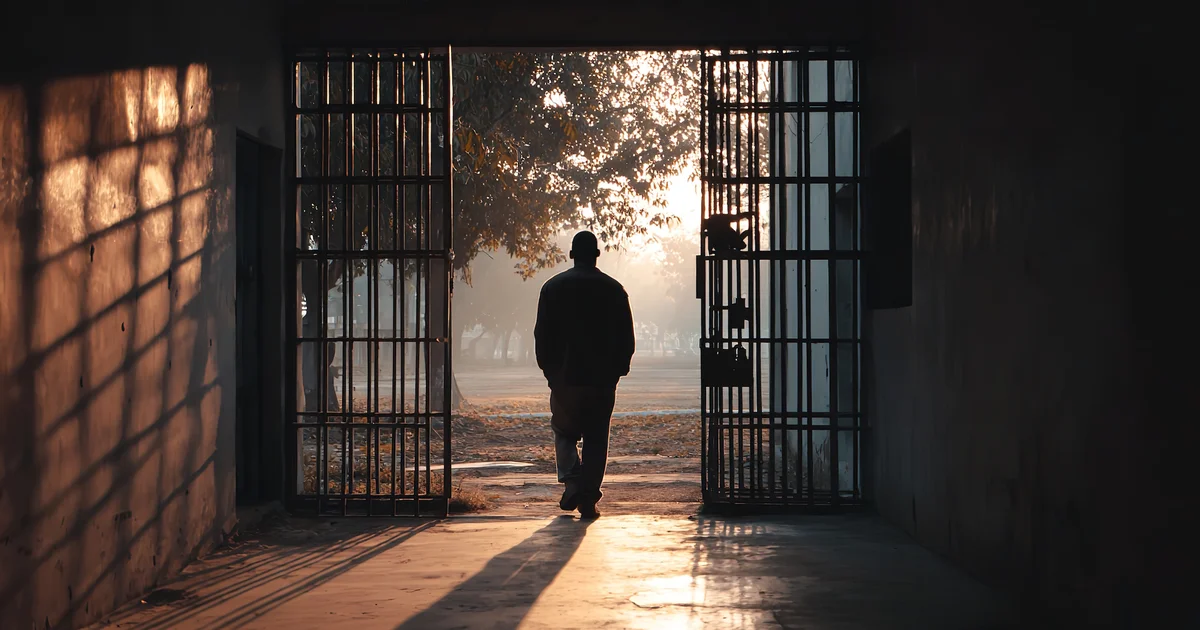
SACRAMENTO — California’s parole approval rate has dropped significantly over the last seven years, falling from 39% in 2018 to less than 25% as of 2025. Even as more inmates get the chance to appear before the Board of Parole Hearings, fewer people are actually winning their release.
The number of yearly parole hearings in the state rose from 5,226 in 2018 to approximately 8,000 in 2023. During those same years, the state prison population shrank by roughly 38,000 people due to sentencing reforms and changes in how the state manages its prisons.
Digital Monitoring and Financial Scrutiny
Several factors are influencing the board’s recent decisions. Since 2021, state prisons have provided inmates with free electronic tablets. While these devices help people stay in touch with family, they also let the state monitor their digital activity.
AI technology records and analyzes all text messages and phone calls made through the tablets. Parole commissioners use this "digital footprint" to evaluate an inmate's behavior, financial transactions, and honesty during hearings.
The board is also looking more closely at how inmates handle their money. For those who owe court-ordered money to victims—known as restitution—the state takes half of their prison wages and any money sent by family or friends. Some people try to avoid these payments by using other inmates' accounts. This practice, known as "restitution avoidance," often leads to parole denials.
An Aging Population
The population of inmates appearing before the parole board is getting significantly older. As of January 2026, about 19,000 people in California prisons are 55 or older. Elderly inmates, defined as those 60 and older, now account for 32% of all cases seen at parole hearings, a sharp increase from 19% in 2013.
These older individuals often face unique obstacles. Many struggle with declining health or haven’t taken part in modern rehabilitation programs, often because these programs didn’t exist when they first entered prison.
Reoffending and Youthful Offenders
Despite the lower approval rates, data suggests the parole process is effective at identifying low-risk individuals. According to reporting by CalMatters, the reoffending rate for those released through parole—how often they commit new crimes—is less than 3% in California.
Current laws also provide specific pathways for youthful offenders who committed their crimes before age 26. These individuals usually become eligible for parole after 15 years for sentences with a set end date, or after 20 to 25 years for life sentences. This rule exists because the law recognizes that younger people are more likely to change their behavior.


