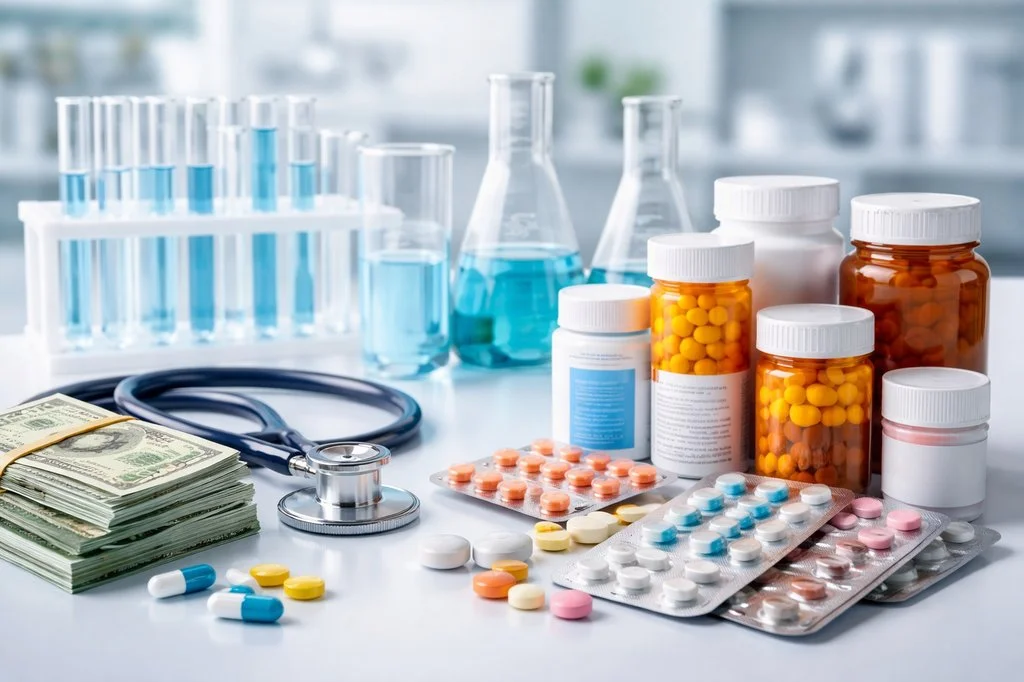
On December 19, 2025, President Donald J. Trump reached agreements with nine major drug companies to lower prescription costs for Americans. The move ensures that patients in the U.S. pay prices that match the lowest available in other developed nations, a policy known as "most-favored-nation" pricing.
The participating companies include Amgen, Bristol Myers Squibb, Boehringer Ingelheim, Genentech, Gilead Sciences, GSK, Merck, Novartis, and Sanofi.
As part of these deals, every state Medicaid program will pay the lowest international prices for medications made by these nine manufacturers. Officials expect this change to save the Medicaid system billions of dollars.
In addition to the price cuts, the companies committed to investing a total of at least $150 billion to build more factories in the U.S. This investment aims to make the country’s medicine supply more secure.
A new initiative called the TrumpRx program will significantly lower what patients with chronic health issues pay out of their own pockets. The program covers treatments for conditions such as diabetes, asthma, HIV, hepatitis C, and multiple sclerosis.
Under the program, the price for the blood thinner Plavix will fall from $756 to $16. The price for the hepatitis C drug Epclusa will drop from $24,920 to $2,425. The agreements also require these companies to guarantee the lowest international price for any new medicines they release.
Three companies are also helping the U.S. rely less on foreign drugs. They are donating to a national stockpile of raw materials used to make medicine, known as the Strategic Active Pharmaceutical Ingredients Reserve (SAPIR).
The donations include 220 pounds of an asthma medication ingredient from GSK, 3.5 tons of an antibiotic ingredient from Merck, and 6.5 tons of ingredients for blood thinner tablets from Bristol Myers Squibb.
The administration is also working with other countries to ensure they pay a fair share of global medical costs. On December 1, 2025, the U.S. reached a separate agreement with the United Kingdom. Under that deal, the U.K. will pay 25% more for new drugs to help cover its share of the costs to develop and test new medicines.
These agreements are part of a broader effort to lower healthcare costs. The administration has completed a total of 14 international price-matching deals with drug makers since late September 2025.


