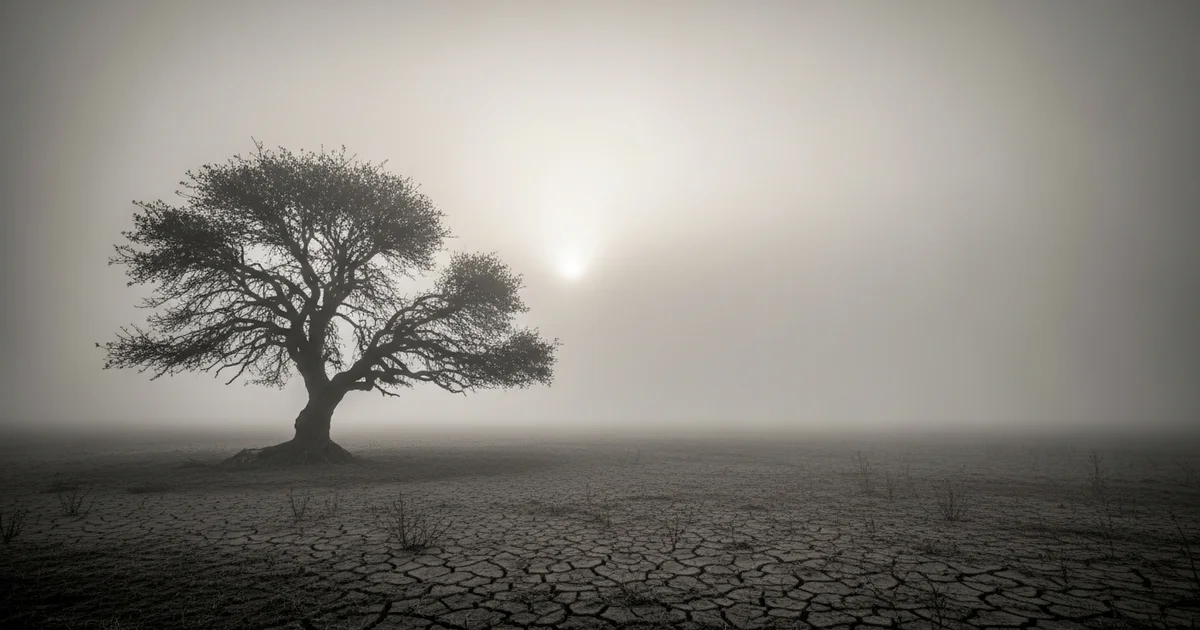
FRESNO, CA — Fresno is experiencing its foggiest winter in more than 20 years, even as a severe dry spell has left the region with almost no rain since early January.
Weather data shows that Fresno has recorded only 0.01 inches of rain since Jan. 4. This is unusual, as January is typically the wettest month for the San Joaquin Valley.
While the ground has remained dry, the air has been thick. As of Feb. 7, Fresno had recorded 36 days of dense fog this winter. This marks the area's foggiest winter since 2002-03.
Foggy Start to 2026
January was unusually foggy for the region. Fresno-Yosemite International Airport reported 16 days of dense fog during the month, which is well above the average of 11 days.
Meteorologists define dense fog as visibility of a quarter-mile or less.
Storm Expected to Break Pattern
Central California should see relief from both the dry and foggy conditions soon. A new storm system is expected to arrive Tuesday, Feb. 10, bringing the first significant rain to the area in more than a month.
Forecasters say this storm will break up the high-pressure system that has trapped calm, dry air over the region. This change in the weather should end the current foggy pattern and prevent new fog from forming.
In the meantime, the region is seeing pleasant weather today, Sunday, Feb. 8. High temperatures are reaching about 70 degrees following some light morning fog.
Historical Trends
Historically, dense fog in Fresno begins to clear up in March. As days grow longer and sunlight becomes more intense, the area averages only one day of dense fog during the month.
While this season has seen a spike in fog, long-term data shows that dense fog is actually becoming less common over time. Between 1964 and 1994, Fresno averaged 40 days of dense fog each year. That average dropped to 24 days per year between 1994 and 2024.


