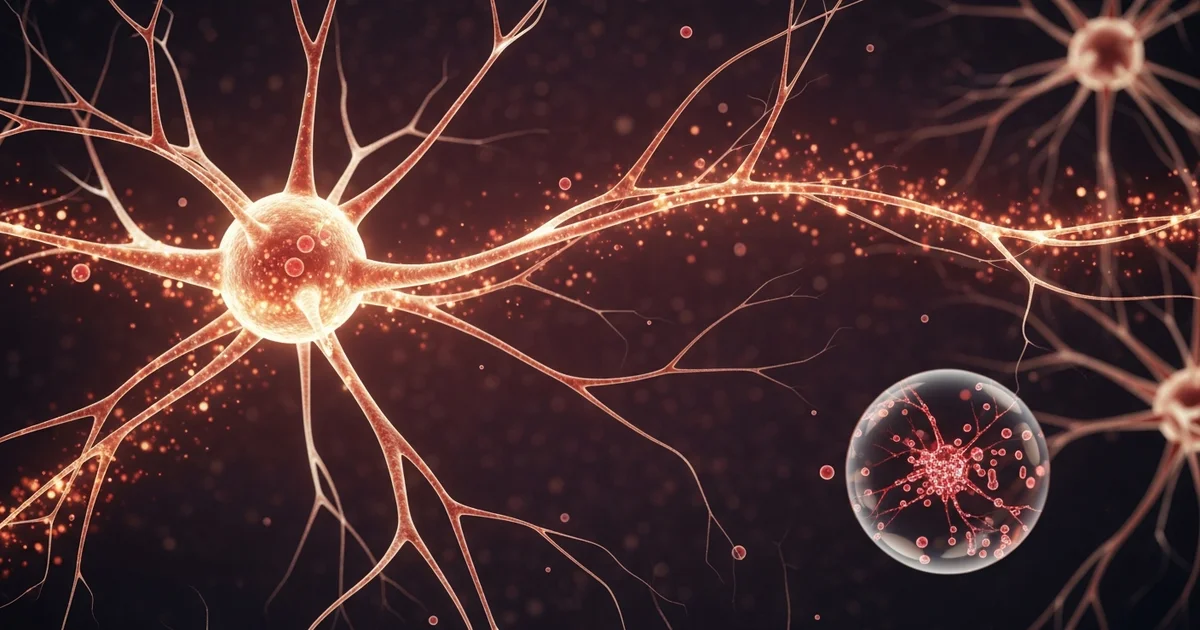
Researchers from Sweden’s Chalmers University of Technology and Oslo University Hospital in Norway have found early warning signs in the blood that signal the start of Parkinson’s disease. This discovery could allow doctors to find the condition before significant brain damage occurs.
The need for early detection is growing as the global population ages. More than 10 million people worldwide currently live with Parkinson’s disease, and experts expect this number to more than double by the year 2050.
The Need for Early Detection
Current tests often only find the disease after physical symptoms, such as tremors or movement problems, appear. Lead researcher Danish Anwer said that by the time these symptoms show up, 50% to 80% of the brain cells affected by the disease are often already damaged or gone.
Assistant Professor Annikka Polster said these findings could help researchers create new drugs or find better ways to use current medicines for the disease. Catching these biological changes early gives doctors a way to take action before major nerve damage occurs.
Using Artificial Intelligence
To spot these warning signs, the research team used machine learning—a type of artificial intelligence (AI)—to look for patterns in how cells fix damage and react to stress. They found specific patterns in how cells repair DNA that only occur in the early stages of the disease.
By using AI to find these patterns in blood samples, researchers can detect the condition long before physical symptoms begin.
Future Trials
The team published their findings in the medical journal 'Parkinson’s Disease.' The researchers suggest that hospital trials for these blood tests could begin as early as 2031.
While more research is needed, scientists are hopeful that these blood tests will eventually lead to earlier treatments and better health for those at risk of the disease.


