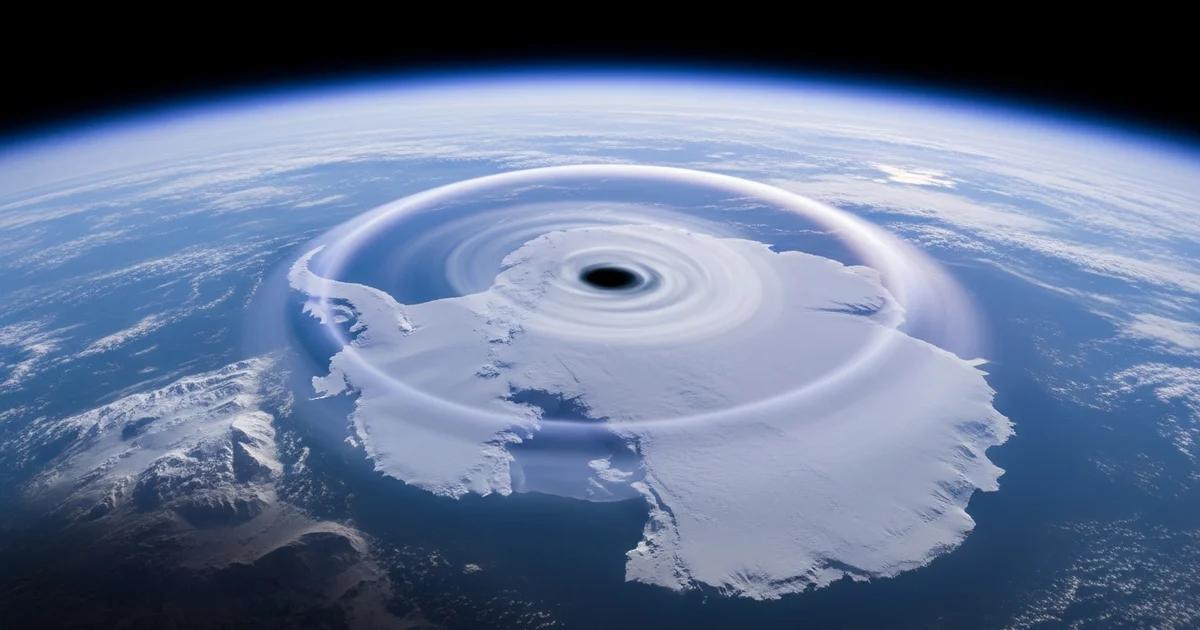
Recent scientific measurements show that the ozone hole has reached its fifth-smallest size on record, signaling a steady recovery of the Earth’s protective atmosphere.
The ozone layer is found high in the upper atmosphere. It consists of special oxygen molecules, each made of three atoms. This layer serves as a vital shield for the planet by absorbing harmful ultraviolet (UV) radiation from the sun.
A History of Depletion
The current recovery follows decades of atmospheric damage that first sparked alarm in the early 1980s. At that time, researchers discovered a significant seasonal thinning of the ozone layer over Antarctica during the spring. Scientists identified human-made chemicals containing chlorine and bromine as the main causes of this damage.
These chemicals are highly destructive. A single chlorine atom can destroy more than 100,000 ozone molecules. Furthermore, the substances that carry these atoms can remain active in the upper atmosphere for up to 100 years.
These substances were widely used throughout the mid-20th century for refrigeration, aerosol sprays, fire extinguishers, and pesticides.
Unique weather patterns have made ozone depletion especially severe in Antarctica. A swirl of strong winds called a polar vortex traps the air over the continent. During the winter, special clouds form in the cold air. These clouds provide a place for harmful chemicals to react and destroy the ozone once the sun comes out in the spring.
Global Cooperation and Recovery
Following the discovery of the thinning layer, nations around the world joined together to sign the Montreal Protocol in 1987. This landmark international treaty created a plan to stop the production and use of chemicals that damage the ozone.
The current measurements suggest the treaty’s goals are being met. However, experts note that restoration is a slow process; they do not expect a full recovery until the 2050s or 2060s.
Continued Monitoring
While the recovery is progressing, researchers emphasize the need to continue monitoring the air. Newer chemicals and greenhouse gases can change the temperature of the upper atmosphere. These changes affect the chemical reactions that help the ozone layer heal.
Scientists must continue tracking the atmosphere to ensure the ozone stays on the path to recovery. This monitoring prevents new industrial practices from undoing 40 years of progress.


