PARIS — New research published on January 7, 2026, shows that eating large amounts of common food preservatives is linked to a significantly higher risk of type 2 diabetes and several types of cancer.
The findings are based on data from the NutriNet-Santé study, a major research project that tracked the health and eating habits of French adults between 2009 and 2023. Researchers from the French national health agency and several universities monitored more than 100,000 people to see how various food additives affected their health over 14 years.
Diabetes Risks Identified
In a report published in the journal Nature Communications, researchers followed 108,723 adults and found that those who ate the most food preservatives had a 47% higher risk of type 2 diabetes than those who ate the least. The study identified 12 specific additives associated with this risk, including potassium sorbate, sodium nitrite, and citric acid.
The risk of diabetes was 49% higher for people who ate preservatives without antioxidants (chemicals that protect the body’s cells). Even with preservatives that do contain antioxidants, the risk was still 40% higher.
Links to Cancer
A second study, published in the medical journal BMJ, analyzed data from more than 105,000 people to study cancer risks. It found that high levels of sorbates—additives used to prevent mold and bacteria—were linked to a 14% higher overall cancer risk and a 26% higher risk of breast cancer.
The report also linked specific chemicals to higher cancer risks. Sodium nitrite increased the risk of prostate cancer by 32%. Potassium nitrate raised the risk of breast cancer by 22% and overall cancer risk by 13%.
Additionally, sulfites were linked to a 12% increase in overall cancer risk, with alcoholic drinks making up 85% of the sulfites people consumed.
Common Sources and Usage
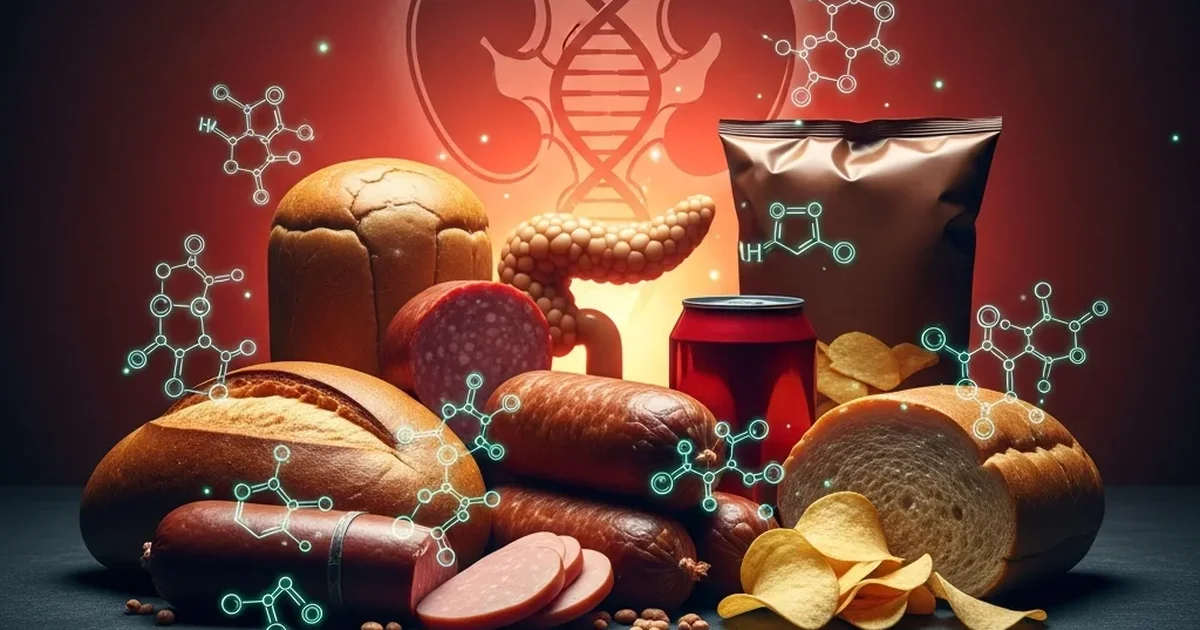
Researchers found that processed meats accounted for 54% of the nitrites and 80% of the nitrates in people's diets. White bread and cereals provided 44% of the propionates—additives used to prevent mold.
According to the global database Open Food Facts, more than 700,000 food and beverage products worldwide contained at least one preservative as of 2024.
Official Recommendations
While the U.S. Food and Drug Administration (FDA) currently considers these preservatives safe, other health organizations have raised concerns about the foods that contain them. For example, the World Health Organization already classifies red and processed meats as substances that cause cancer.
Mathilde Touvier, a director at the French health agency, urged people to protect their health by choosing whole foods, such as fresh fruits, vegetables, and unprocessed grains.
U.S. Health Secretary Robert F. Kennedy Jr. recently issued national dietary guidelines that favor whole foods over processed products. However, some experts worry that the guidelines' focus on meat might lead people to choose processed options like bacon or deli meats instead of fresh cuts. Based on the new research, they warn that people who choose these processed products instead of whole foods could be unknowingly increasing their health risks.


