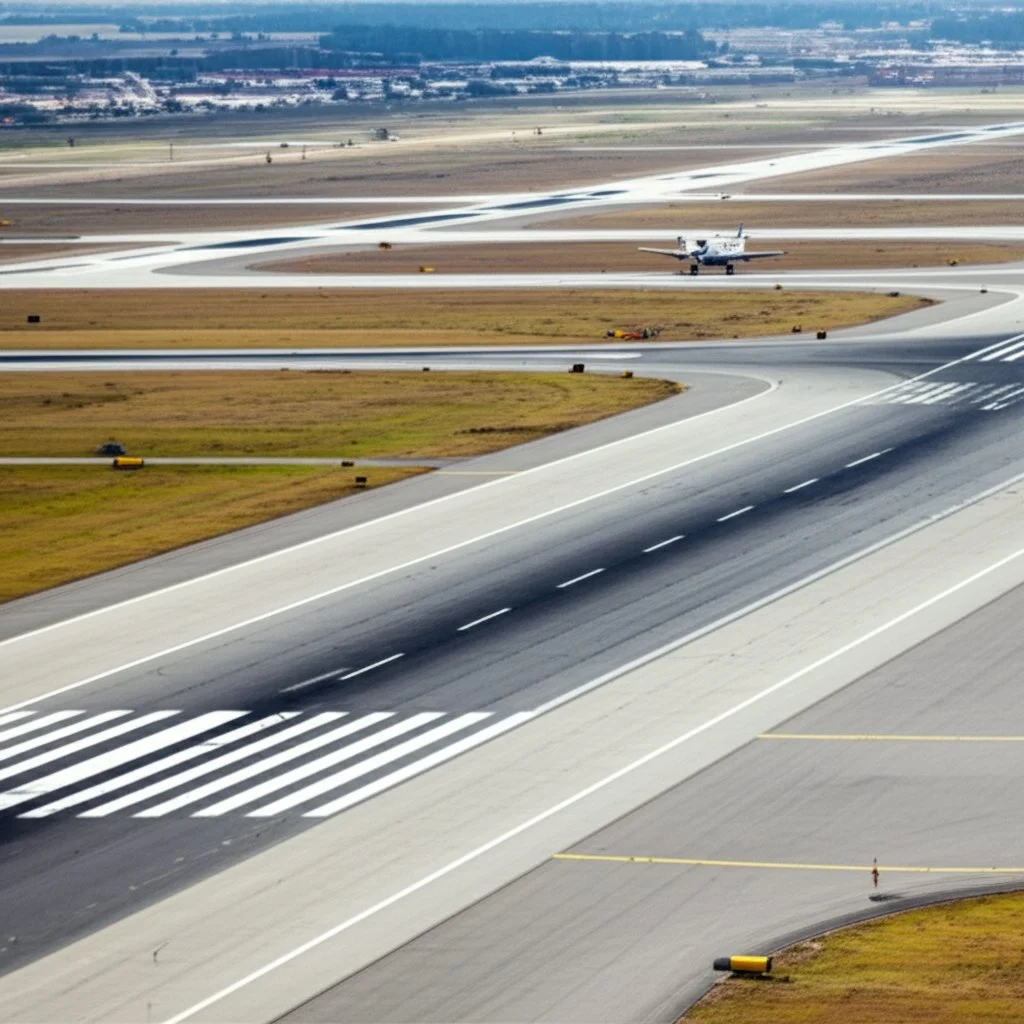
VISALIA, CA — The Visalia Municipal Airport covers 821 acres west of downtown. Over the years, it has grown from a simple emergency landing site into a busy center for private and business planes.
The airport’s history began in 1927 when aviators Sol Sweet and Edwin Deeds were forced to land in J.F. Putnam’s cow pasture. A broken water line had sprayed the pilots with hot water, causing the emergency. The pilots identified the flat ground as ideal for flying and recommended the site to the city.
Voters approved a $50,000 bond — a type of loan the city pays back — in 1928. The site was then formally established as a city-owned airfield on January 9, 1929. By 1930, the airport became much more important when the Curtis-Wright Company chose the site as one of its nationwide bases for agricultural crop dusting. This helped local farmers see the benefits of treating their crops from the air.
Expansion and Military Use
The airfield continued to expand throughout the late 1930s. Between 1936 and 1940, the federal Works Progress Administration (WPA) — a Great Depression-era jobs program — invested $375,000 to build new airport facilities.
During World War II, the U.S. military took control of the site from February 1942 to 1946. Renamed the Visalia Army Air Field, it served as a training base for night fighter crews and anti-submarine patrols. The military built additional runways and protective barriers to shield parked planes during this time.
Commercial service arrived after the war. United Airlines began passenger and airmail flights in 1946. On that first flight, the city sent 3,000 specially marked souvenir letters. In 1947, the airport also saw the first helicopter landing in Tulare County. Southern California Edison began using helicopters for mountain rescues and to check power lines.
Modern Operations and Comparisons
While the original service from United Airlines lasted for 33 years before ending in 1979, other carriers eventually took their place. However, all commercial airline service in Visalia ended on January 15, 2016, when SeaPort Airlines unexpectedly canceled its flights to Burbank and Sacramento.
The Federal Aviation Administration (FAA) currently classifies Visalia as a general aviation airport. This category is for public airports where fewer than 2,500 passengers get on flights each year. In contrast, California has three "large hub" airports: Los Angeles (LAX), San Francisco (SFO), and San Diego (SAN). These facilities each handle millions of travelers every year. LAX was the state's busiest in 2021, with more than 36 million passengers boarding flights.
In March 2017, the city joined a federal trial program and used a $3.7 million grant to build new hangars for private pilots and business flights. Because of that deal, the city cannot apply for Essential Air Service (EAS) funding until April 30, 2026. This federal program helps smaller cities pay for commercial flights.
Despite the lack of airline service, the airport remains an important transit point. Since November 18, 2015, the V-LINE bus service has connected the terminal to downtown Fresno and Fresno Yosemite International Airport. Passengers can park for free at the Visalia terminal for up to 10 days while using the bus.
Between March 2021 and March 2022, the facility recorded 32,500 takeoffs and landings. It is currently the home base for 161 aircraft and includes a 6,562-foot asphalt runway and a 45-foot helipad.


