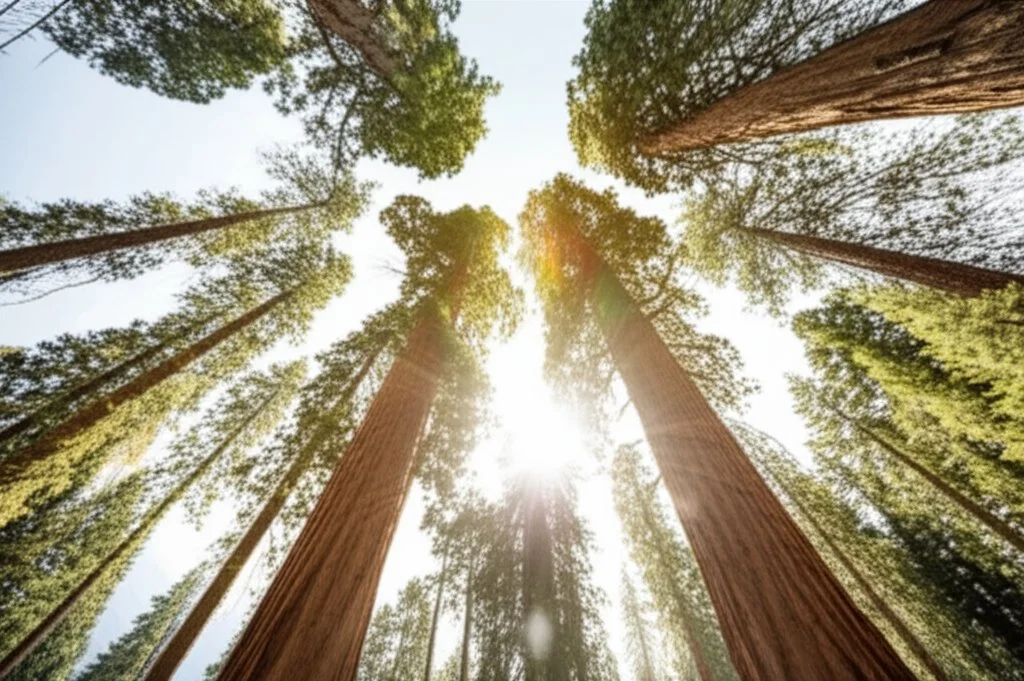
VISALIA, CA — Sequoia National Park was established on September 25, 1890. On that day, President Benjamin Harrison signed a law to protect Tulare County’s giant sequoia trees from being cut down for lumber. It was the second national park created in the United States and the first one created specifically to protect a living species.
The park is home to the General Sherman Tree, which is the largest tree in the world by volume. It also contains Mount Whitney, which stands at 14,505 feet and marks the highest point in the lower 48 states.
Indigenous Heritage and Early Settlers
People lived on this land for hundreds of years before it became a national park. The Monache (Western Mono) were the area's first permanent residents. About 2,000 people lived in the region, with a history dating back to at least the year 1000. The park area also includes the ancestral homelands of the Yokuts, Tübatulabal, Paiute, and Western Shoshone peoples.
The first European settler in the region was Hale Tharp. In 1858, he built a homestead inside a hollowed-out sequoia log in the Giant Forest area.
Military Management
Between 1891 and 1913, U.S. Army Cavalry units (soldiers on horseback) managed the park because a civilian park service did not exist yet. These units included the Buffalo Soldiers, who were segregated African-American troops given the job of patrolling the wilderness and building roads and trails.
In 1903, Charles Young became the first Black military superintendent of a national park. That same year, soldiers finished a wagon road to the Giant Forest, allowing the public to reach the large trees for the first time.
Growth and Modern Protection
The park moved to civilian leadership in 1914 when Walter Fry was named the first civilian superintendent. The National Park Service was founded in 1916 to care for and protect public lands.
The region's wildlife faced major changes during the early 20th century. For example, in 1922, the last recorded California grizzly bear in the area was killed at Horse Corral Meadow. Travel and access later improved with the completion of the Generals Highway in 1926 and the High Sierra Trail in 1932. During the 1930s, the Civilian Conservation Corps (CCC) also built the stairs to the top of Moro Rock.
In 1940, Kings Canyon National Park was created nearby. It absorbed the land from General Grant National Park, which had existed since 1890. Since then, the National Park Service has managed Sequoia and Kings Canyon together as a single unit. The region grew again in 1978 with the addition of Mineral King. This expansion followed a campaign by the Sierra Club to stop the Walt Disney Company from building a resort in the Mineral King Valley.
Natural Wonders and Challenges
The park's landscape is mostly granite rock formed 100 million years ago, during the age of the dinosaurs (the Cretaceous Period). Below the surface, the park contains more than 270 caves. These include Lilburn Cave—California’s longest at 17 miles—and Crystal Cave, which is open for public tours.
Today, Sequoia and Kings Canyon National Parks host more than 1.5 million visitors each year. About 97% of the land managed by the parks is designated wilderness. This means the land is legally protected to remain in its natural state without roads or buildings.
While the parks remain a major destination, they face ongoing natural challenges. For example, the KNP Complex Fire forced Sequoia National Park to close from mid-September to mid-December 2021. The park’s cultural influence continues today, with Apple Inc. naming a version of its Mac operating system after the park.


