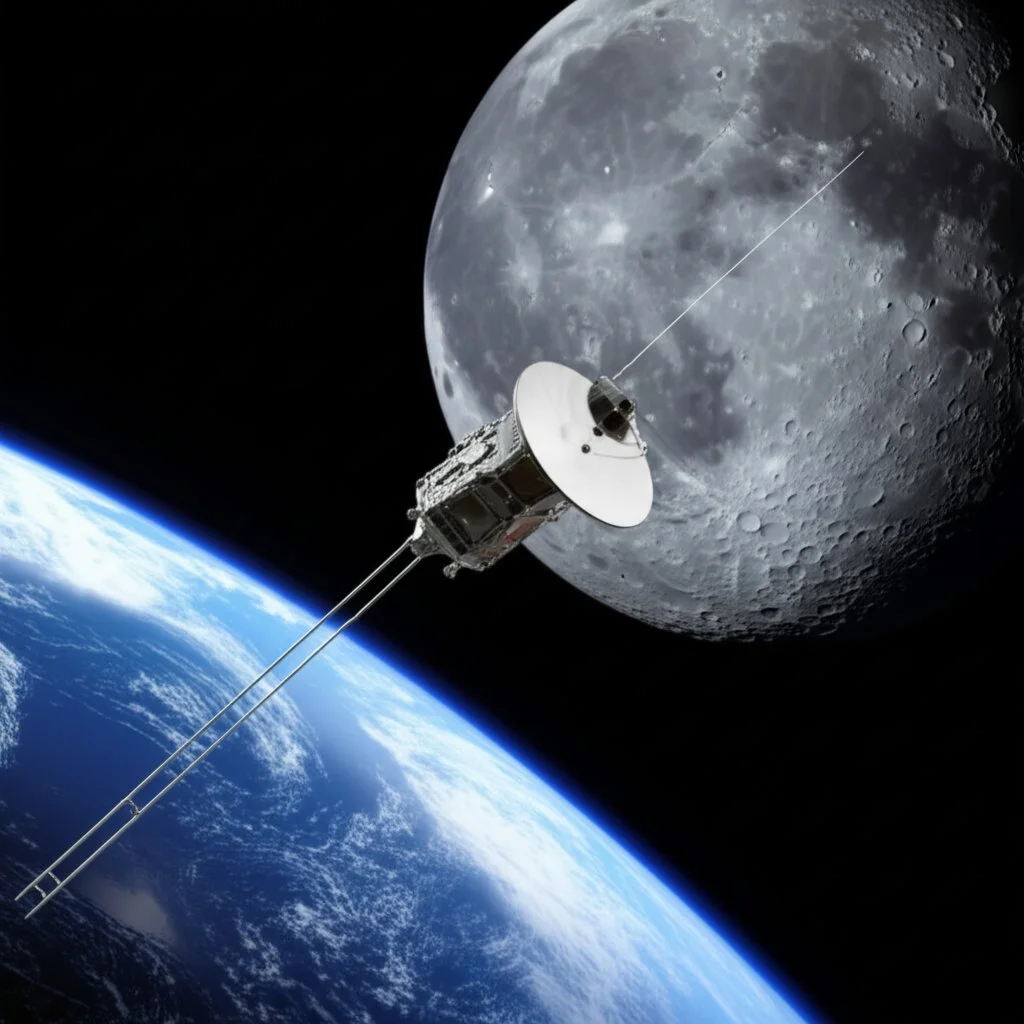
The United States government aims to send Americans back to the moon by 2028 through the Artemis Program. This effort is designed to help the U.S. lead in space, grow a moon-based economy, and prepare for future trips to Mars.
Following the return to the moon, the government plans to set up a permanent lunar base by 2030. Space agencies are developing nuclear reactors to power the base and plan to launch the first one in 2030.
These goals follow several major changes to national space policy. On December 18, 2025, the President ended the National Space Council, an advisory group that helps coordinate space policy. He also canceled a 2021 order that established rules for managing government space projects.
The new plan focuses heavily on involving private companies. The government aims to attract at least $50 billion in new private funding for the U.S. space industry by 2028. Officials also expect private companies to have their own space stations ready to replace the International Space Station by 2030.
To support this focus on private business, NASA and the Department of Commerce have until June 2026 to update their purchasing rules. These updates will make it easier for agencies to partner with private companies, which will save money and help the industry grow.
National security is also a priority under the updated strategy. The government intends to test a new missile defense system by 2028. Called "Iron Dome for America," this program will act as a shield to shoot down incoming rockets.
Additionally, security officials have until June 2026 to create a plan to protect U.S. satellites and equipment. The plan covers equipment in the space between Earth and the moon, focusing on identifying and stopping threats such as the risk of nuclear weapons being placed in orbit.
On December 18, 2025, the government also began charging private companies for services that were previously free, such as tracking flight paths and space junk. This change is part of a broader effort to modernize space safety.


